
Common Mistakes to Avoid When Applying for an Oman eVisa
Learn how to prevent application errors and ensure successful visa approval
Applying for an Oman eVisa is a straightforward process that allows travelers to obtain their visa electronically without visiting an embassy. However, even minor mistakes during the application can lead to delays, rejections, or the need to reapply. Understanding the most common errors applicants make is essential for ensuring a smooth and successful visa approval process.
This comprehensive guide identifies the key mistakes travelers make when applying for an Oman eVisa and provides practical advice on how to avoid them. From photo requirements to data entry errors, these tips will help streamline the application and increase the chances of approval.
Passport Validity Issues
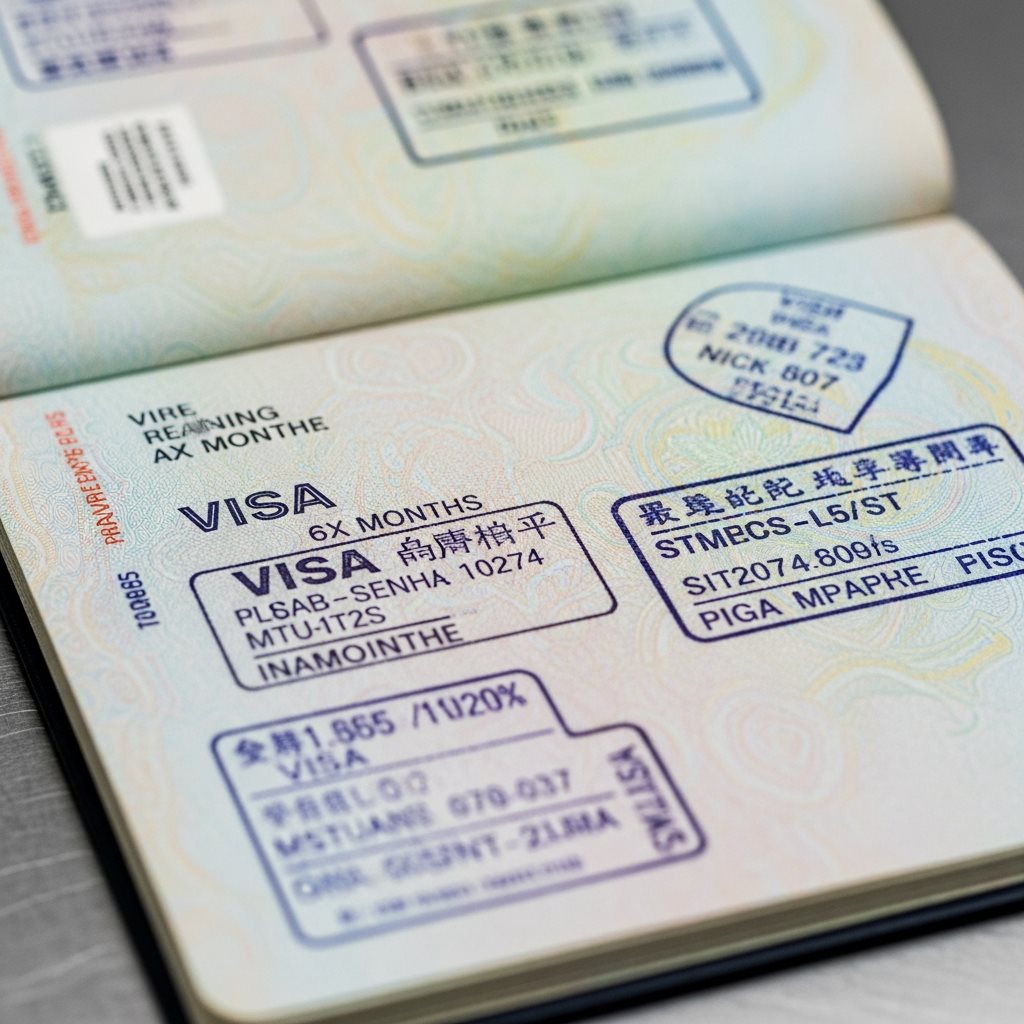
One of the most frequent mistakes applicants make is submitting an application with a passport that does not meet validity requirements. The Omani authorities require that passports be valid for at least six months from the date of entry into Oman.
Many travelers overlook this requirement and apply with passports that will expire within a few months of their planned trip. This oversight results in automatic rejection of the eVisa application. Additionally, passports must have at least two blank pages for entry stamps.
Incorrect Photograph Specifications
Photograph errors are among the most common reasons for eVisa rejection. The Oman eVisa photo requirements are strict and specific, and failure to comply with these guidelines leads to application denial.
Common Photo Mistakes Include:
- Wrong background color: Photos must have a plain white background without shadows or patterns
- Outdated photographs: Images must be taken within the last six months
- Improper dimensions: Photos should be in JPEG format with minimum 600x600 pixels
- Facial coverage issues: The face must be clearly visible, centered, and cover 70-80% of the frame
- Use of filters or alterations: Photos must be natural without digital enhancements
- Wearing accessories: Glasses, hats, or headwear (unless for religious purposes) are not permitted
Before uploading a photograph, applicants should carefully review all specifications and ensure compliance with official requirements.

Personal Information and Data Entry Mistakes
Accuracy in the eVisa application form is crucial. Even small typos or discrepancies can cause delays or rejections. Common data entry errors include:
Name Spelling Errors
Names must match exactly as they appear in the passport. Misspellings, reversed names (first name in last name field), or missing middle names are common mistakes that lead to rejection.
Incorrect Date of Birth
Entering the wrong date of birth or using an incorrect date format creates discrepancies. Always use the format specified in the application and double-check against passport information.
Passport Number Mistakes
Transposing digits or misreading characters (such as confusing O with 0, or I with 1) in passport numbers is a frequent error that must be carefully avoided.
Nationality Errors
Selecting the wrong nationality or citizenship information prevents proper processing. Ensure the nationality matches the passport being used for travel.
Document Upload and Format Errors
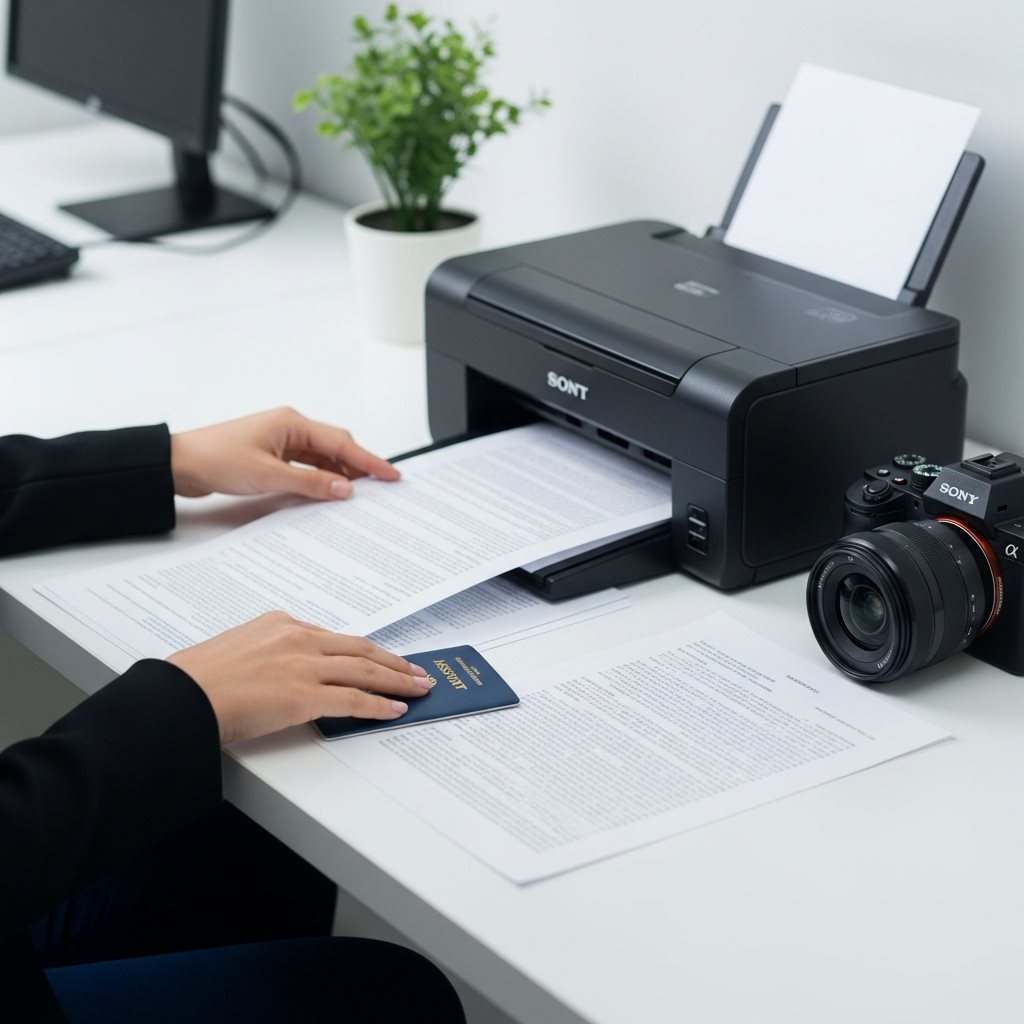
Uploading required documents in the wrong format or poor quality is another common mistake. The eVisa system has specific requirements for document uploads:
Frequent Document Mistakes:
- Unclear scans: Documents must be clear, readable, and properly scanned without shadows or glare
- Wrong file format: Most systems require PDF or JPEG formats; other formats may be rejected
- Oversized files: Files exceeding size limits (typically 2-5 MB) cannot be uploaded
- Incomplete documentation: Missing required documents such as hotel reservations or return tickets
- Expired documents: Uploading outdated travel insurance or accommodation confirmations
Ensure all documents are current, properly formatted, and meet the technical specifications before uploading them to the application portal.
Payment and Fee Mistakes
Understanding the correct visa fees and ensuring successful payment is essential. Common mistakes include:
- Selecting wrong visa type: Choosing a visa type that doesn't match travel needs affects fees and validity
- Payment failures: Incomplete transactions due to insufficient funds or expired cards
- Currency confusion: Not understanding whether fees are in Omani Rials or other currencies
- Ignoring refund policies: Assuming fees are refundable when they are typically non-refundable
- Not keeping payment receipts: Failing to save confirmation emails and transaction records
Always use accepted payment methods such as Visa, MasterCard, or American Express, and verify that the payment has been successfully processed before closing the browser.

Timing and Processing Mistakes
Understanding the processing time and applying at the appropriate moment prevents last-minute complications:
Last-Minute Applications
Applying too close to travel dates without considering processing time (typically 3-5 business days) can result in missing the departure.
Applying Too Early
Some travelers apply months in advance, but the eVisa validity period begins from the issue date, not the travel date.
Not Tracking Status
Failing to check application status regularly means missing notifications about issues that need correction.
Ignoring Weekends and Holidays
Processing times exclude weekends and public holidays, which should be factored into application timing.
Eligibility and Requirement Oversights
Not verifying eligibility before applying wastes time and money. Common oversights include:
- Not checking nationality eligibility: Assuming all nationalities can apply for an eVisa without consulting the eligible countries list
- Confusing visa-free entry with eVisa: Some nationalities qualify for visa-free entry for 14 days and don't need an eVisa
- GCC resident confusion: GCC residents have specific requirements and visa types different from standard tourist visas
- Transit visa mistakes: Not understanding when a transit eVisa is needed for layovers
- Single vs. multiple entry confusion: Not understanding the difference between single-entry and multiple-entry visas

Application Form Completion Errors
Properly filling out the application form requires attention to detail. Common errors include:
Accommodation Details
Providing incomplete or incorrect hotel information, addresses, or contact details can delay processing. Ensure all accommodation proof matches the travel dates.
Travel Itinerary
Not providing confirmed flight bookings or entering incorrect arrival and departure dates creates inconsistencies that trigger manual review or rejection.
Contact Information
Entering wrong email addresses or phone numbers means missing important notifications about application status or approval.
Employment Details
Providing vague or incomplete occupation information may raise questions. Be specific and accurate about employment status and employer details.
Post-Submission and Travel Mistakes
Even after approval, mistakes can occur that affect entry into Oman:
Common Post-Approval Errors:
- Not downloading the eVisa: Failing to download and print the approved eVisa before travel
- Traveling on wrong passport: Using a different passport than the one specified in the eVisa application
- Exceeding stay duration: Overstaying beyond the permitted period without applying for an extension
- Entering before validity: Attempting to use the eVisa before its validity period begins
- Wrong entry point: Entering through unauthorized border crossings not covered by the eVisa
- Missing supporting documents: Not carrying required documents like hotel confirmations or return tickets at immigration
How to Correct Application Errors
If an error is discovered after submission, options depend on when the mistake is identified:
If the application has not yet been processed, some portals allow modifications. Contact the eVisa support team immediately to request corrections. However, this option is rarely available once submission is complete.
Learn more about correcting application errors.
If the application is rejected due to errors, applicants must submit a new application with correct information. Review the rejection reasons carefully before reapplying.
Previous application fees are typically non-refundable, so accuracy in the new application is crucial.
Minor typos in non-critical fields may not cause rejection, but major errors in passport numbers, names, or dates will result in denial. When in doubt, it's safer to reapply with correct information.
Best Practices to Prevent Application Mistakes
Follow these proven strategies to ensure error-free eVisa applications
Create a Checklist
Prepare all required documents and information before starting the application. Use a checklist to ensure nothing is missed.
Double Verification
Have another person review all information before submission. Fresh eyes often catch errors that were overlooked.
Save Everything
Keep copies of all documents, payment receipts, and confirmation emails in both digital and printed formats.
Apply Early
Submit applications at least one week before travel to allow time for corrections if issues arise.
Read Instructions
Carefully read all instructions and guidelines on the official eVisa portal before starting the application.
Use Official Channels
Apply only through the official Royal Oman Police eVisa portal to avoid scams or fraudulent services.
Frequently Asked Questions About Common Mistakes
Get answers to common concerns about eVisa application errors
Incorrect information can lead to application rejection. If the error is caught before processing, contact support immediately. After approval, if the error is minor, it may not affect entry, but major errors (passport number, name) will require a new application.
Most eVisa systems do not allow edits after submission. If critical errors are discovered, applicants typically need to submit a new application with the correct information and pay the fees again.
Ensure the photo has a plain white background, was taken within six months, meets the size requirements (600x600 pixels minimum), shows a neutral expression, and has no shadows, filters, or accessories. Review the complete photo requirements before uploading.
The most critical mistake is ensuring passport validity of at least six months and matching all personal information exactly as it appears in the passport. These errors cause immediate rejection and cannot be overlooked by immigration officers.
Ready to Apply with Confidence?
Avoid common mistakes and get your Oman eVisa approved quickly
Start Your Application NowSecure application • Fast processing • 24/7 support
Additional Resources
For more information about the Oman eVisa application process, explore these helpful guides: